
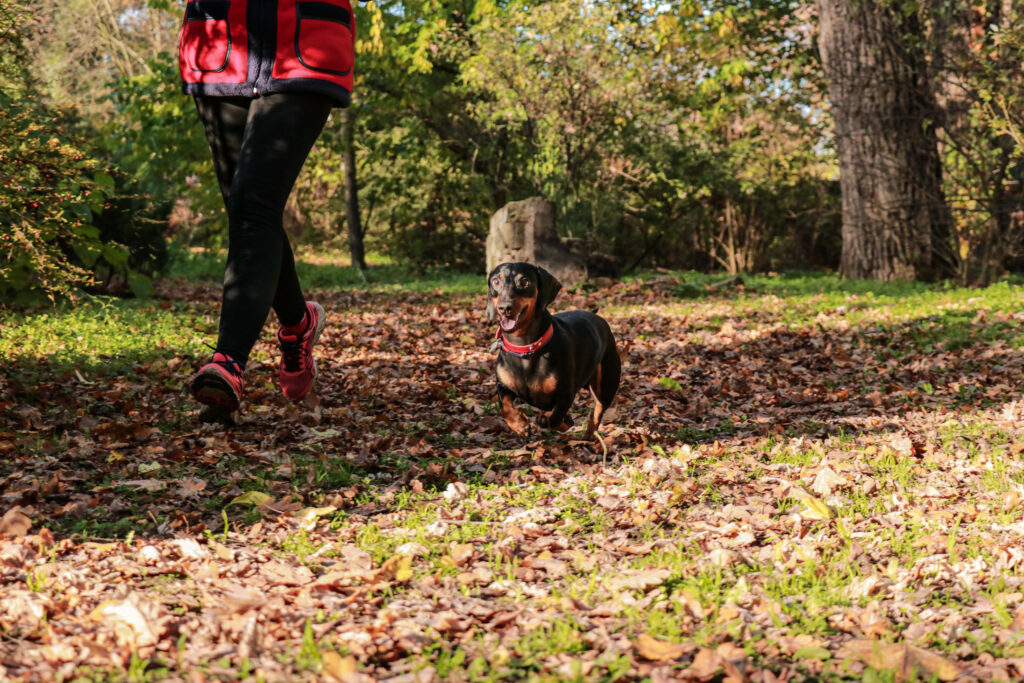
Watching your dog run, explore, and enjoy their surroundings can be incredibly rewarding, especially when you know they’ll return when called. That freedom, however, should be supported by training that builds your dog’s confidence in returning when called. Dog recall training is an important communication skill that can improve safety, strengthen your connection, and prepare your dog for greater freedom when off-leash activity is appropriate.
What Is Dog Recall Training?
Recall training teaches your dog to stop what they’re doing and return to you when given a specific cue. While the concept sounds simple, reliable recall requires your dog to choose you over whatever else has captured their attention.
A dog may come immediately when called from the other side of the living room but respond very differently outside. New environments introduce distractions that compete for their attention, including:
- Other dogs
- Wildlife
- Unfamiliar people
- Interesting smells
- New sights and sounds
Dog recall training should progress gradually. Your dog first needs to understand what the cue means in a controlled environment before you expect them to respond reliably in more exciting situations.
Why Is Reliable Recall So Important?
Recall is how you communicate with your dog when there’s distance between you. If they’re heading toward something they shouldn’t approach, a dependable recall can help you redirect them.
Reliable recall can also make outdoor adventures more enjoyable. Hiking, exploring open spaces, and other activities can provide valuable physical exercise and mental stimulation when done in environments where off-leash activity is both safe and permitted.
Recall isn’t a skill you teach once and forget. Continuing to practice helps maintain the response throughout your dog’s life.
How to Build Reliable Recall
Dog recall training starts with making the desired behavior clear and rewarding. As your dog improves, you can gradually increase the challenge rather than expecting them to master distracting environments immediately.
Choose a Single Recall Cue
Choose a short word or phrase and make sure everyone in your household uses it consistently. Avoid repeating the cue when your dog doesn’t respond. You want the word to have a clear meaning rather than becoming background noise.
Begin Somewhere Quiet
Start inside your home or in another controlled, low-distraction environment. Call your dog from a short distance and reward them when they come directly to you.
Early sessions should be simple and positive. Give your dog plenty of chances to get it right to help establish what you want them to do.
Make Returning to You Worthwhile
Coming back should lead to something your dog values, such as praise, a favorite toy, affection, or a treat.
Also, be mindful of what happens after you call your dog. If coming to you always means playtime ends or it’s time to leave somewhere fun, your dog may become less enthusiastic about responding.
Gradually Add Distance
Once your dog reliably returns from nearby, slowly increase the distance. Don’t rush from calling them across the room to expecting an immediate response across a large outdoor space.
Build reliability at each stage before making the exercise more difficult.
Introduce Distractions
Eventually, your dog needs to learn that the recall cue still matters when something interesting is nearby. Gradually introduce distractions, including new sounds, people, dogs, and smells.
Start far enough away that your dog can remain engaged with you. As their response becomes more reliable, you can practice in increasingly challenging situations.
Use a Long Leash Initially
A long leash gives your dog more room to explore while letting you maintain physical control. It’s a useful transition between close-range training and greater freedom.
Practice recall from different distances and around appropriate distractions before considering off-leash activity. Your dog’s actual reliability, rather than how long you’ve been practicing, should determine when they’re ready to progress.
Always Reward the Return Positively
If your dog takes longer than you’d like to return, avoid punishing them once they finally reach you. Correcting them then can unintentionally teach them that coming back leads to something unpleasant.
Instead, reinforce the behavior you want and adjust future practice so your dog has a better chance of succeeding.
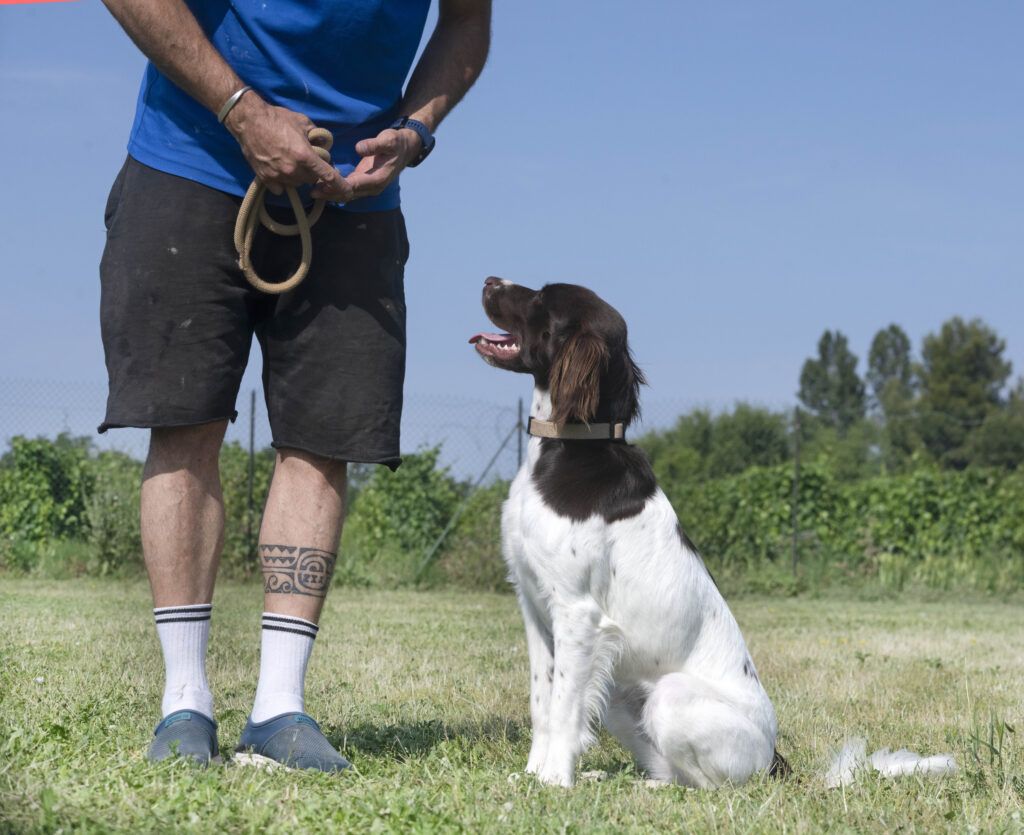
How Do You Know When Your Dog Is Ready?
There’s no specific age or number of training sessions that automatically makes a dog ready to be off-leash. Look at how consistently your dog responds across different situations.
Signs of progress may include:
- Returning promptly after hearing their recall cue
- Responding even when moderate distractions are present
- Regularly checking in with you while exploring
- Following familiar commands in different environments
- Remaining responsive when excited
Even a well-trained dog should remain leashed when local rules require it or when the environment makes it the safer choice.
How Dog Recall Training Can Strengthen Your Relationship
Dog recall training isn’t only about getting your dog to come back. Practicing together creates ongoing opportunities for communication and helps you learn more about each other.
As you train, you’ll become more aware of what motivates your dog, which distractions are particularly challenging, and when they’re starting to lose focus. Meanwhile, your dog learns that paying attention to you is rewarding, even when interesting things are happening nearby.
That communication can carry into other areas of your life together. Your dog becomes accustomed to checking in and responding to direction, while you better understand how to guide them successfully.
Reliable recall can also create more opportunities for shared experiences. When appropriate, greater freedom to explore can add variety and enrichment to your outings without eliminating the connection between you and your dog.
Professional Dog Recall Training
A dependable recall comes from consistent practice, clear communication, and training that progresses at the right pace for your dog. If you’re struggling to get a reliable response or want professional guidance before working toward off-leash freedom, Beau’s K9 Academy in Bonneau, SC can help.
Our extensive training programs address recall, basic and advanced obedience, leash manners, off-leash training, puppy development, behavior modification, socialization, confidence building, and more. We tailor training to your dog’s temperament, current skills, behavior, and goals so you build reliability that carries into everyday life.
Whether you’re starting with the basics or working toward dependable off-leash obedience, professional recall training can help you and your dog communicate more clearly and enjoy greater confidence together.
Contact Beau’s K9 Academy today to explore our training programs and start building the reliable recall your dog needs for safer, more enjoyable adventures.

Dog Recall Training FAQs
What does recall mean in dog training?
Recall is your dog’s ability to stop what they’re doing and return to you after hearing a specific verbal cue.
Where should I start practicing recall?
Start in a quiet, controlled environment with minimal distractions, then gradually move to more challenging settings.
How can I strengthen my dog’s recall?
Use a consistent cue, reward successful responses, gradually increase distance, and introduce distractions at a manageable pace.
Should I punish my dog if they take too long to come back?
No. Punishing your dog when they return can create a negative association with coming to you. Instead, focus on rewarding the desired response.
Can a long leash help with recall training?
Yes. A long leash gives your dog more room to move while letting you maintain physical control as you practice at greater distances.
How do I know if my dog is ready to go off-leash?
Look for consistent responses around distractions, regular check-ins, reliable obedience in different environments, and the ability to remain responsive when excited.
Can recall training improve my relationship with my dog?
Yes. Recall practice builds communication, keeps your dog engaged with you, and helps you better understand their motivations and distractions.