
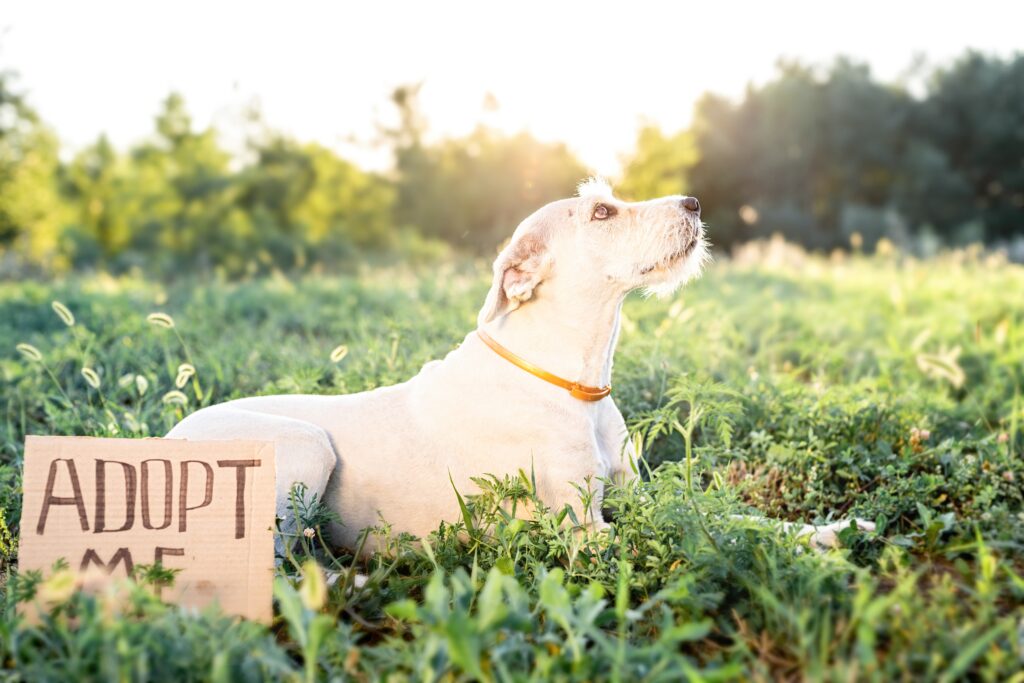
Bringing a rescue dog into your home is an exciting and rewarding experience. You’re not just gaining a pet—you’re giving a dog a second chance at a happy life. That said, it’s important to keep in mind that rescue dogs often come with unique challenges. Some may have experienced neglect, inconsistent training, or difficult living situations. Others may simply be overwhelmed by the sudden change in their environment. Training a rescue dog requires patience, consistency, and a commitment to building trust. However, with the right approach, you can help your new companion feel safe, confident, and secure in their new home.
Understanding Your Rescue Dog’s Transition
Every rescue dog arrives with their own history, whether known or unknown. Some settle in quickly, while others need time to adjust. The first few days are often spent decompressing, followed by a few weeks of learning routines and expectations. It can take a few months or more for your new furry friend to truly feel at home.
During this adjustment period, it’s important to manage expectations. Your dog may not immediately show their true personality, respond to commands, or seek affection. Building trust takes time, and rushing the process can create unnecessary stress for both you and your dog.
The Do’s of Training a Rescue Dog
Give Your Dog Time to Decompress
One of the most important aspects of training a rescue dog is allowing them to settle into their new environment. Imagine moving to a new country without understanding the rules, people, or surroundings. That’s exactly how many rescue dogs feel.
Create a quiet space where your dog can retreat when they need a break. A crate can often be a great option when introducing a rescue dog to your home. Allow them to explore their surroundings at their own pace and avoid overwhelming them with visitors, outings, or new experiences during the first few days.
Establish a Consistent Routine
Dogs thrive on predictability, especially those who may have experienced instability in the past. Consistent feeding times, walks, bathroom breaks, and training sessions help your dog understand what to expect each day.
A structured routine provides security and reduces anxiety. When your dog learns that their needs will be met consistently, trust begins to develop naturally.
Use Positive Reinforcement
Positive reinforcement is one of the most effective methods for training a rescue dog. Instead of focusing on mistakes, reward behaviors you want to see more often.
Treats, praise, toys, and affection can all be powerful motivators. When your dog associates good behavior with positive outcomes, they’re more likely to repeat those behaviors. This approach also strengthens your relationship and helps your dog feel safe during the learning process.
Start With Basic Obedience Training
Before tackling advanced skills, focus on foundational commands. Basic obedience provides structure and improves communication between you and your dog.
Some essential commands include:
- Sit: Helps establish focus and self-control.
- Stay: Teaches patience and impulse control.
- Come: Builds a reliable recall for safety.
- Leave It: Prevents your dog from picking up dangerous items.
- Place: Gives your dog a designated area to relax.
Keep training sessions short, positive, and consistent. Small successes add up quickly.
Build Confidence Through Socialization
Many rescue dogs need help learning that the world is a safe place. Controlled socialization introduces them to new people, environments, sounds, and experiences in a positive way.
Rather than forcing interactions, allow your dog to observe and approach new situations at their own pace. Confidence grows when dogs learn they can navigate unfamiliar experiences without fear.
Learn Your Dog’s Body Language
Your dog communicates constantly, even when they’re silent. Understanding their body language can help you identify signs of stress, fear, excitement, or relaxation.
Pay attention to signals such as:
Lip licking or excessive yawning: These are often signals that indicate your dog is feeling nervous, uncomfortable, or stressed in a situation.
Avoiding eye contact: A dog that looks away may be trying to diffuse tension, show submission, or communicate that they are uncomfortable.
Tucked tails: A tail tucked between the legs typically signals fear, anxiety, uncertainty, or a lack of confidence.
Relaxed posture: A loose body, natural stance, and soft facial expression indicate that your dog feels comfortable, calm, and at ease.
Play bows and wagging tails: A play bow paired with a loose, wagging tail is usually an invitation to interact and a sign that your dog is happy, friendly, and ready to play.
Recognizing these cues allows you to adjust your approach and prevent situations from becoming overwhelming.
The Don’ts of Training a Rescue Dog
Don’t Rush the Bonding Process
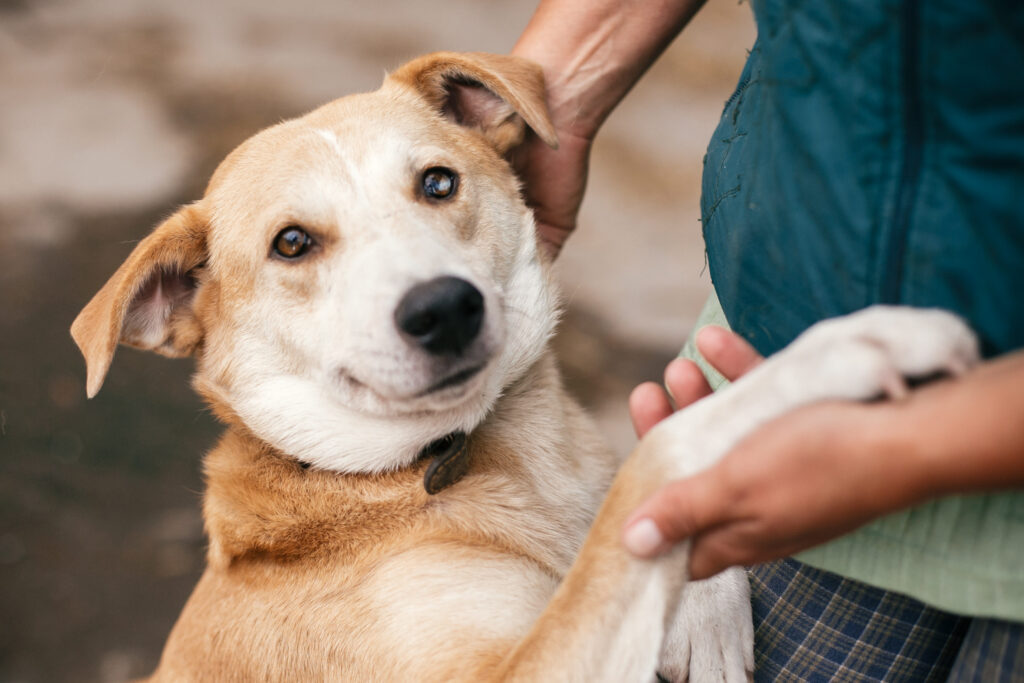
One of the biggest mistakes owners make when training a rescue dog is expecting instant trust and affection. Some dogs may warm up quickly, while others need weeks or months to fully settle in.
Allow the relationship to develop naturally. Consistency and patience are far more effective than forcing interactions.
Don’t Use Harsh Corrections
Punishment-based training methods can be especially detrimental for rescue dogs. Many have already experienced fear, uncertainty, or negative treatment in the past.
Harsh corrections may suppress behavior temporarily, but they often damage trust and increase anxiety. Instead, focus on teaching your dog what you want them to do through positive reinforcement and clear communication.
Don’t Force Social Interactions
Not every dog wants to meet every person or dog they encounter. Forcing interactions can create negative experiences that are difficult to overcome later.
Allow your dog to choose when they’re comfortable engaging with others. Building confidence should always take priority over social pressure.
Don’t Ignore Signs of Stress
Stress can show up in many ways, including trembling, hiding, pacing, excessive panting, or refusing treats. These signals indicate that your dog may be overwhelmed.
If you notice these behaviors, reduce the intensity of the situation and give your dog space to recover. Listening to your dog’s signals helps build trust and prevents setbacks.
Don’t Compare Your Dog to Others
Every rescue dog has a unique background and learning pace. Comparing your dog’s progress to another dog’s can create unrealistic expectations.
Focus on your dog’s individual growth. Progress may be slow at times, but every small improvement is worth celebrating.
Why Is Patience Important When Training a Rescue Dog?
Training a rescue dog is often less about obedience and more about trust. When your dog learns that you’re a source of safety, consistency, and positive experiences, training becomes much easier. The bond that develops through this process is often one of the most rewarding aspects of rescue dog ownership.
Remember that setbacks are normal. What matters most is maintaining consistency and staying committed to your dog’s long-term success.
Need Help Training a Rescue Dog?
At Beau’s K9 Academy, we understand the unique challenges and rewards that come with training a rescue dog. Our experienced trainers use compassionate, relationship-based methods to help rescue dogs build confidence, trust, and reliable obedience.
We offer:
- Basic obedience training – In-home or board and train
- Behavior modification programs
- Socialization training
- Private training sessions
- Customized training plans tailored to your dog’s needs
Serving Bonneau, SC, and the surrounding areas, our team is committed to helping rescue dogs and their families succeed. Whether your dog struggles with anxiety, fear, reactivity, or simply needs help adjusting to a new home, we’re here to guide you every step of the way.
If you’ve recently adopted a rescue dog, contact Beau’s K9 Academy today to learn how professional training can help your new best friend thrive.

Training a Rescue Dog FAQs
How long does it take a rescue dog to adjust to a new home?
Many dogs follow a general adjustment period known as the 3-3-3 Rule, though every dog adapts at their own pace.
Should I start training my rescue dog right away?
Basic routines and positive reinforcement can begin immediately, but it’s important to give your dog time to decompress first.
What is the best way to build trust with a rescue dog?
Consistency, patience, positive reinforcement, and respecting your dog’s boundaries are key to building trust.
Can older rescue dogs still be trained?
Yes. Dogs of any age can learn new behaviors and skills with the right training approach.
Why is positive reinforcement important for rescue dogs?
It encourages desired behaviors while helping dogs feel safe, confident, and secure during training.
What are common signs that my rescue dog is stressed?
Trembling, hiding, pacing, excessive panting, and avoiding interaction can all indicate stress.
How can professional training help a rescue dog?
Professional trainers can create customized plans that address obedience, confidence building, socialization, and behavioral challenges.