
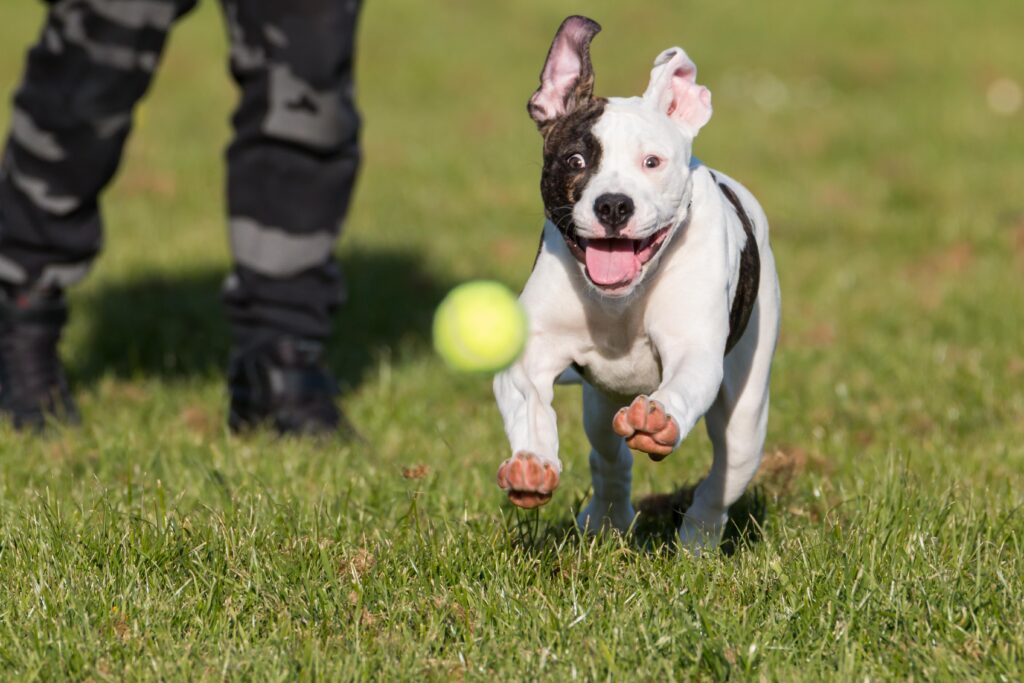
You love your dog more than they’ll ever know. But if your house looks like a tornado came through — couch cushions scattered, leash tangled around your ankles, dog bouncing off the walls at 7 a.m. — love alone isn’t going to calm things down. If this sounds familiar, there’s a good chance you’re sharing your life with one of the many high energy dogs that need more than a daily walk and a belly rub to feel settled.
That’s not a bad thing. Active breeds are some of the most loyal, intelligent, and rewarding K9 companions you can have. They just need the right outlet and the right training approach to bring out the best in them.
Are You Living With a High Energy Dog?
Not every wild pup is a high energy dog. Some dogs are just bored, under-exercised, or going through a normal puppy phase. True high-energy dog breeds were developed for demanding physical work, such as herding livestock all day, tracking scents across miles of terrain, and retrieving waterfowl in cold rivers. That drive doesn’t disappear when they move into a suburban home.
Some of the most common high energy dog breeds include:
- Border Collie: incredibly intelligent and built for all-day herding
- Belgian Malinois: the go-to breed for police and military work
- Australian Shepherd: a natural problem-solver that thrives with a job
- Siberian Husky: bred for endurance in harsh conditions
- Labrador Retriever: friendly, athletic, and always ready to go
- Jack Russell Terrier: compact but relentless; huge personality in a small body
If your dog checks several of these boxes: hard to settle, easily distracted, always looking for something to do, you’re likely dealing with a true high energy dog. And that’s okay. It just means your training approach needs to match their drive.
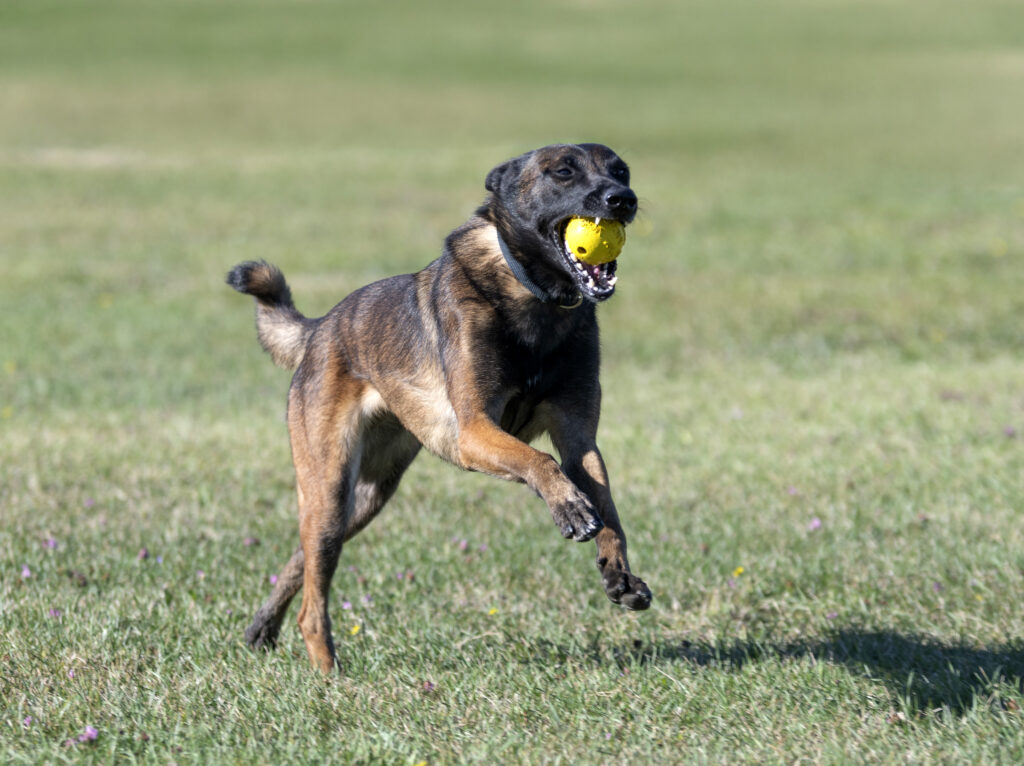
Why Do High Energy Dogs Need Special Training?
Standard training methods can work for calmer breeds, but high energy dogs often need more. Their minds move fast, and their bodies follow. If you’re not keeping up, they’ll find their own way to burn off steam, usually by chewing something they shouldn’t or barking at everything that moves.
Boredom Is the Biggest Culprit
A bored, high energy dog is a destructive dog. When their minds and bodies aren’t engaged, they create their own entertainment. Digging up the yard, shredding furniture, or pulling on the leash like a freight train aren’t signs of a bad dog. They’re signs of an under-stimulated one.
They Need Structure, Not Just Exercise
Exercise alone isn’t enough. A dog that runs five miles and comes home without any obedience practice is still an untrained dog, just a tired one. High energy dogs thrive when they have clear rules, consistent routines, and a sense of purpose. That’s where behavior modification training becomes a game changer.
Their Intelligence Can Work Against You
Smart dogs pick up patterns fast. If jumping on guests has worked once, they’ll keep trying it. If pulling on the leash gets them to the park faster, they’ll pull every time. High energy dog breeds need consistent guidance so their intelligence works with you, not against you.
What Are the Best Training Tips for High Energy Dogs?
The good news is that the same drive that makes high energy dogs challenging also makes them incredibly trainable. Here are practical tips that actually work.
Exercise First, Train Second
A dog that still has a full tank of energy is going to struggle to focus. Before any training session, spend 20–30 minutes burning off physical energy. A run, a game of fetch, or tug can go a long way in calming a high energy dog, allowing them to focus on training.
Keep Training Sessions Short
Long sessions tend to backfire. Multiple 5–10 minute sessions throughout the day are far more effective than one marathon practice. End each session on a win. When your dog does something right, that’s your cue to wrap up and celebrate.
Use High-Value Rewards
Many high energy dog breeds are highly motivated by food or toys. Find what your dog loves most and make them earn it. Matching the reward to your dog’s drive keeps them engaged and eager to work.
Teach Impulse Control Early
Sit. Stay. Leave it. Wait. These aren’t just party tricks. They’re the foundation of a manageable, happy dog. Impulse control exercises are especially important for high energy dogs because they teach self-regulation, which carries over into every part of daily life.
Give Them a Job
High energy dogs need a purpose. If they don’t have one, they’ll make one up. Scent work, agility, fetch routines, and basic obedience drills all give your dog something meaningful to do. Mental stimulation can be just as tiring as physical exercise, sometimes more.
Everyone Must Be Consistent
If one family member lets the dog jump and another corrects it, the dog is getting mixed signals. Everyone in the house needs to use the same commands and hold the same expectations. Consistency is everything when it comes to training high energy dogs.
Is a Board and Train Program Good for High Energy Dogs?
For some dogs, in-home practice and short training sessions are enough. For others, especially dogs with behavioral challenges or very strong drives, more immersive training can make a real difference.
A board and train program puts your dog in a structured training environment around the clock. Instead of practicing once a day, your dog is working through real-world distractions, building focus, and developing solid habits every single day. This approach works especially well for high energy dogs that are reactive on leash, struggle with impulse control, or have developed habits that are hard to break at home.
Not sure if board and train is right for your dog? The on and off-leash board and train program at Beau’s K9 Academy walks you through everything from basic commands to off-leash reliability, a powerful foundation for any active breed.
When Should You Call a Professional Dog Trainer?
There’s no shame in asking for help. In fact, the sooner you bring in a professional, the easier the process tends to be.
Consider reaching out to a trainer if your high energy dog is showing any of the following:
- Leash reactivity toward other dogs or strangers
- Jumping that hasn’t improved with consistent correction
- Selective listening or ignoring commands in distracting environments
- Destructive behavior at home despite regular exercise
- Resource guarding, excessive barking, or signs of anxiety
These behaviors are manageable. They’re not signs that your dog is beyond help; they’re signs that your dog needs clearer communication and a more structured approach. Private lesson behavior modification is designed for exactly these situations.
Starting early makes a difference too. If you have a young, high energy dog at home, the puppy training programs at Beau’s K9 Academy build a strong foundation before unwanted behaviors have a chance to take hold.
High Energy Dog Training in Bonneau, South Carolina
At Beau’s K9 Academy, we understand that high energy dogs aren’t a problem to be fixed; they’re a potential to be unlocked. We’ve worked with Border Collies, Belgian Malinois, Labs, Huskies, and dozens of other active breeds, and we know what it takes to channel that drive into something you can both be proud of.
Our proven, results-driven programs are tailored to your dog’s individual needs. Whether your dog needs foundational obedience, behavior modification, or a full board and train immersion, we’re here to help you get there.
Ready to see what your high energy dog is truly capable of? Contact us today to get started, or explore our full list of services to find the program that fits your dog’s needs. We’re proud to serve Bonneau, SC, and the greater Charleston area, and we look forward to meeting you and your dog.

High Energy Dog Training FAQs
What qualifies as a high energy dog?
A high energy dog is typically a breed developed for demanding physical or mental work, like herding, hunting, or working alongside law enforcement. These dogs need more exercise and mental stimulation than the average pet.
Can high energy dogs be trained to calm down?
Yes. With consistent training, impulse control exercises, and the right amount of physical and mental stimulation, high energy dogs can absolutely learn to settle. Training doesn’t eliminate their energy; it gives it direction.
How long does it take to train a high energy dog?
It depends on the dog, their age, and what you’re working on. Basic obedience can show results in a few weeks with daily practice. More complex behavior issues may take longer. Immersive programs like board and train can significantly accelerate the process.
Is punishment-based training effective for high energy dogs?
It can create more problems than it solves. Punishment-based methods may increase anxiety or redirect energy into aggression, especially in high-drive breeds. Positive reinforcement paired with clear structure tends to produce the most reliable, lasting results.
At what age should I start training my high energy dog?
The earlier, the better. Puppies as young as 8 weeks old can begin learning. Getting professional guidance early helps prevent problem behaviors from forming during those critical developmental windows.
Do high energy dogs do well with board and train programs?
Many of them thrive in that environment. The structured, consistent nature of a board and train program is especially effective for high energy dogs that are difficult to manage at home or who struggle with distractions during training sessions.
What makes Beau’s K9 Academy different from other trainers?
Beau’s K9 Academy uses proven, balanced training methods tailored to each dog’s individual temperament and goals. With professional experience in working dog handling and certifications from Highland Canine, every program is built around real results; not guesswork.