
Small dogs may be easier to scoop up and carry when they’re misbehaving, but that doesn’t mean training should take a back seat. Barking at visitors, jumping for attention, pulling on walks, or ignoring commands can disrupt daily life regardless of your dog’s size. Small dog training establishes clear expectations while helping your dog build confidence, develop better manners, and understand their role within your household.
Why Training a Small Dog Can Be Different
Small dogs can learn commands and boundaries just as well as larger breeds. However, their size can influence both how they experience the world and how their owners respond to their behavior. Recognizing these differences can help you choose fair, effective training techniques.
It’s Easy to Overlook Unwanted Behavior
Imagine a 70-pound dog jumping on every guest who walks through the door. Most owners would address that behavior quickly. When a 10-pound dog does the same thing, people may laugh it off or consider it harmless.
The same can happen with pulling, begging, demanding attention, or barking. If these actions consistently get your dog what they want, they’re likely to continue. Setting boundaries early helps prevent minor annoyances from becoming established habits.
The World Looks Different When You’re Small
A busy environment can be intimidating when everything around you is bigger. Large dogs, unfamiliar people, loud noises, and someone suddenly reaching down from above can make some small dogs uncomfortable.
Fearful or defensive behavior shouldn’t automatically be mistaken for stubbornness. Small dog training should consider your dog’s confidence and comfort, using gradual exposure to help them feel more secure in different situations.
Picking Them Up Isn’t Always the Solution
When a small dog becomes nervous or starts barking, the natural response may be to pick them up. There are certainly situations where this is necessary for safety. However, consistently removing your dog from every manageable challenge can limit opportunities to learn how to respond appropriately.
When it’s safe to do so, training can give your dog the skills and confidence to handle everyday situations on their own four paws.
Small Dog Training Tips
Good manners aren’t built during training sessions alone. The way you respond to your dog throughout the day teaches them what is and isn’t acceptable. These tips for training a small dog can help turn everyday interactions into opportunities to reinforce better behavior.
Establish Consistent Household Rules
Decide what you expect from your dog and make sure everyone in your family follows the same rules. If jumping isn’t allowed, for example, your dog shouldn’t get attention for jumping from one family member while another corrects it.
Consistency makes expectations easier for your dog to understand and prevents them from receiving mixed messages.
Teach Practical Obedience Skills
Basic commands provide a shared language between you and your dog. Skills such as sit, stay, come, leave it, and place can help you manage everyday situations while giving your dog clear direction.
Start practicing in a familiar environment with minimal distractions. Once your dog responds reliably, gradually work on the same commands in more challenging settings.
Reward Good Behavior
Pay attention when your dog is doing something right. Praise, affection, toys, and small treats can all reinforce desired behavior.
Rewarding your dog for sitting calmly when someone enters, responding to a command, or remaining quiet around a distraction helps them understand which choices earn positive attention. If you use food rewards frequently, keep portions appropriately sized for a smaller dog.
Work on Leash Manners
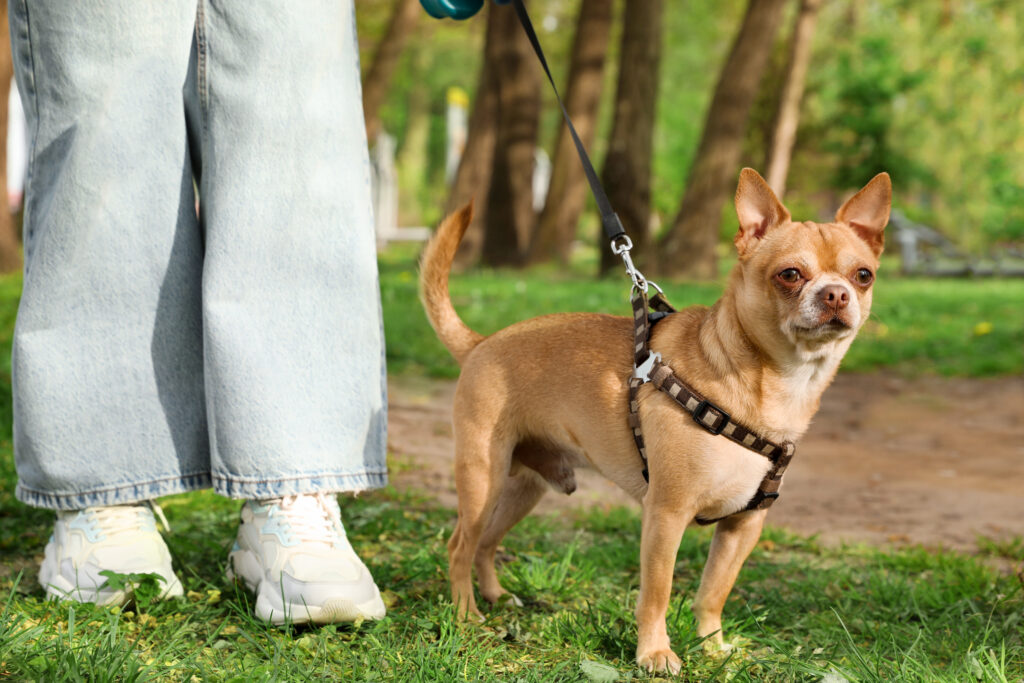
A small dog may not physically overpower you on a walk, but you shouldn’t ignore pulling. Teach your dog to walk with a loose leash instead of letting them pull toward every smell, dog, or person they encounter.
Better leash manners improve communication and can make outings calmer and safer for everyone involved.
Address Excessive Barking
Before addressing barking, consider why it’s happening. Your dog may be excited, fearful, bored, or reacting to something outside the window.
Rather than focusing exclusively on stopping the noise, work on the underlying trigger and teach an alternative response. Rewarding calm behavior can help your dog learn that barking isn’t the only way to react.
Build Confidence Gradually
Positive exposure to different people, sounds, surfaces, and environments can help your dog become more comfortable with the world around them.
Don’t force a nervous dog into an interaction they’re not ready for. Introduce new experiences gradually and give your dog an opportunity to adjust. The goal is confidence, not simply tolerating something that feels overwhelming.
Practice Calm Greetings
Jumping, frantic barking, and demanding attention can quickly become your dog’s standard greeting if you consistently reward those behaviors by picking them up or passing them off as cute or normal.
Instead, teach your dog that calm behavior earns attention. You might ask them to sit or go to a designated place when someone arrives. Practice with familiar people before expecting the same response with exciting visitors.
Incorporate Training Into Your Routine
You don’t always need a formal training session to practice good behavior. Ask your dog to sit before putting down their food, wait before going through the door, or respond to a command before beginning playtime.
These moments can easily be part of small dog training and give your dog frequent opportunities to practice what they’ve learned.
Don’t Let Your Dog’s Size Lower Your Expectations
Being small doesn’t mean your dog can’t learn good manners. Clear boundaries can make everyday life more predictable because your dog understands what you expect.
At the same time, effective training isn’t about treating every dog identically. A small dog genuinely frightened by a larger dog or unfamiliar situation may need extra space and gradual confidence building. The goal is to balance reasonable expectations with an understanding of your individual dog’s needs.
When Is It Time for Professional Training?
Some behavioral challenges are difficult to address without additional guidance. Persistent barking, reactivity, resource guarding, fear, leash problems, or obedience issues that aren’t improving may signal it’s time to work with a professional.
A trainer can evaluate what’s contributing to the behavior and develop an approach suited to your dog. Professional guidance can also help you communicate more clearly and keep reinforcing progress at home.
Professional Small Dog Training at Beau’s K9 Academy
Your small dog deserves the same opportunity to become a confident, well-mannered companion as any larger breed. At Beau’s K9 Academy, we tailor training to each dog’s personality, behavior, confidence, and individual needs.
Our extensive training programs can address puppy development, basic and advanced obedience, leash manners, socialization, behavior modification, confidence building, and more. Just as importantly, we help owners understand how to maintain expectations and reinforce better habits beyond formal training.
Whether you’re dealing with a new puppy who needs a strong foundation or an adult dog with behaviors you’d like to change, professional small dog training can help create a happier daily routine for everyone in your household.
Contact Beau’s K9 Academy today to discuss your dog’s behavior, explore our training programs, and take the first step toward better manners and a more confident companion.

Small Dog Training FAQs
Do small dogs need as much training as large dogs?
Small dogs benefit from clear rules, obedience skills, and consistent expectations like larger dogs, even if their unwanted behaviors are easier to manage physically.
Why does my small dog bark so much?
Barking may stem from excitement, fear, boredom, or outside triggers. Identifying the reason can help you choose the right training response.
Should I pick up my small dog when they’re nervous?
Picking them up may be necessary for safety, but consistently removing them from manageable situations can limit opportunities to build confidence.
What commands should I teach my small dog?
Practical commands such as sit, stay, come, leave it, and place can improve communication and make everyday situations easier to manage.
How can I help my small dog become more confident?
Gradually introduce your dog to different people, environments, sounds, and surfaces without forcing interactions that overwhelm them.
When should I consider professional training?
Professional guidance may help when your dog has persistent barking, fear, reactivity, resource guarding, leash problems, or obedience challenges that aren’t improving.